Prothioconazole
Prothioconazole
Prothioconazole
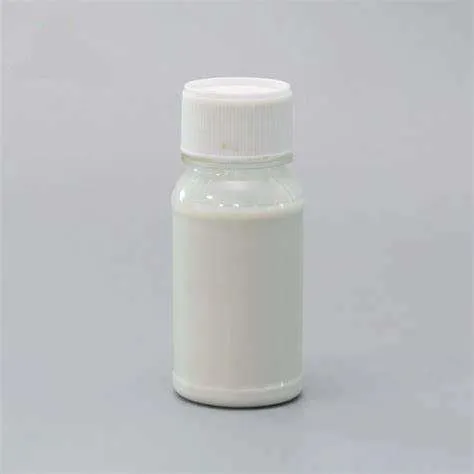
Prothioconazole is a triazolinethione derivative used as a fungicide to inhibit the activity of the demethylase enzyme.
Request a QuoteProthioconazole is a triazolinethione derivative used as a fungicide to inhibit the activity of the demethylase enzyme.
CAS No.: 178928-70-6
Molecular Formula: C14H15Cl2N3OS
Molecular Weight: 344.26
Melting point |
139.1–144.5 °C |
Boiling point |
486.7 ± 55.0 °C (Predicted) |
Density |
1.50 ± 0.1 g/cm³ (Predicted) |
Storage temperature |
Inert atmosphere, Room temperature |
Solubility |
DMSO (Slightly), Methanol (Slightly) |
pKa |
6.9 (at 25 °C) |
Physical form |
Solid |
Color |
White to light yellow |
Symbol (GHS) |
|
Signal word |
Warning |
Hazard codes |
|
RIDADR |
UN3077 9/PG 3 |
HS Code |
2933998090 |

Prothioconazole is a triazolinethione derivative and can be used as a fungicide to inhibit the activity of the demethylase enzyme. It is used to treat crop infections such as wheat diseases caused by Mycosphaerella graminicola, a plant-pathogenic fungus.
Prothioconazole is widely used in agriculture as a fungicide. Its purpose in this field is to control fungal diseases in crops such as cereals, fruits, and vegetables. The mechanism of action involves inhibiting the biosynthesis of ergosterol, an essential component of fungal cell membranes. By disrupting ergosterol production, prothioconazole effectively inhibits the growth and reproduction of fungi, thereby helping to protect crops from fungal infections.
Prothioconazole is mainly used on cereals, soybeans, oilseeds, rice, peanuts, sugar beets, and vegetables, with a broad spectrum of fungicidal activity. It offers excellent efficacy against nearly all fungal diseases affecting cereals. Prothioconazole can be applied as a foliar spray or as a seed treatment.