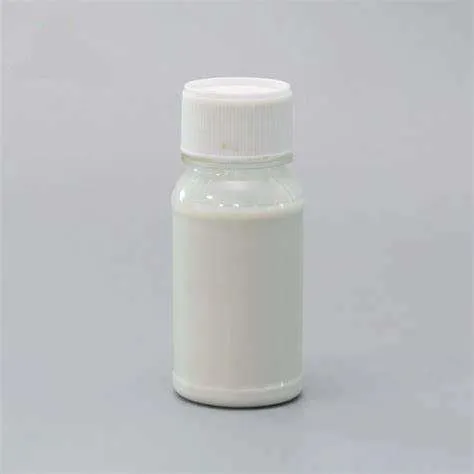
Trifloxystrobin
Trifloxystrobin
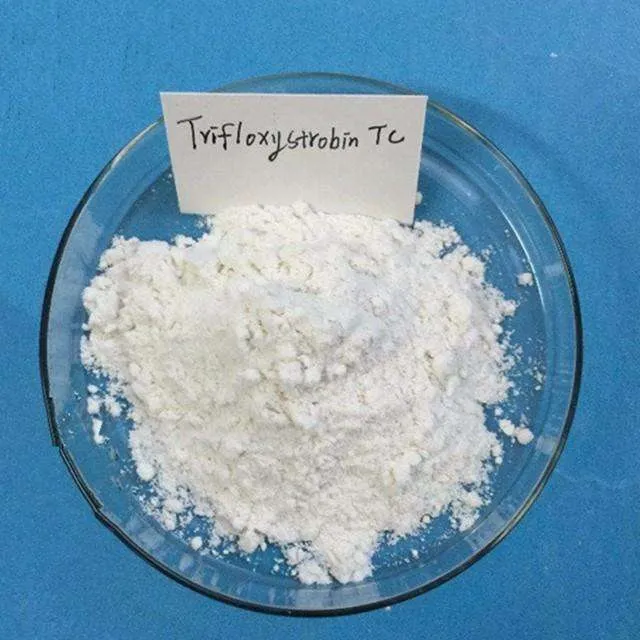
Trifloxystrobin
Trifloxystrobin is a synthetic derivative of naturally occurring strobilurins found in several genera of wood-decaying fungi, such as Strobilurus tenacellus.
Request a QuoteCAS: 141517-21-7
MF: C20H19F3N2O4
MW: 408.37
EINECS: 480-070-0
Melting point |
72.9° |
Boiling point |
bp ~312° |
Density |
1.21 ± 0.1 g/cm³ (predicted) |
Flash point |
> 70 °C |
Boiling point |
Decomposes before boiling |
Storage temperature |
Sealed in dry conditions, 2–8 °C |
Solubility |
Chloroform: slightly soluble; Methanol: slightly soluble |
Physical form |
Solid |
Color |
White to off-white |
Stability |
Hygroscopic; moisture sensitive |
Hazard codes |
|
Risk statements |
43-50/53 |
Safety statements |
24-37-46-60-61 |
RIDADR |
UN3077 9/PG 3 |
WGK Germany |
2 |
Trifloxystrobin is a synthetic derivative of naturally occurring strobilurins found in several genera of wood-decaying fungi, such as Strobilurus tenacellus. It is a strobilurin foliar fungicide. Trifloxystrobin inhibits mitochondrial respiration by blocking electron transfer within the respiratory chain. Therefore, trifloxystrobin is a potent inhibitor of fungal spore germination and mycelial growth. It shows high activity against many fungal pathogens in the Ascomycete, Deuteromycete, Basidiomycete, and Oomycete classes.
Pests controlled by trifloxystrobin include grape and cucurbit powdery mildew, apple scab and powdery mildew, peanut leaf spot, and brown patch of turfgrass. It can be applied to cereals, ornamental plants, vegetables (carrots, asparagus, cucurbits, fruiting vegetables, and root vegetables except radish), fruits (apples, pears, grapes, and strawberries), and tropical crops. Trifloxystrobin is a broad-spectrum foliar fungicide used in crop protection and functions by inhibiting fungal spore germination.