Atrazine
Atrazine
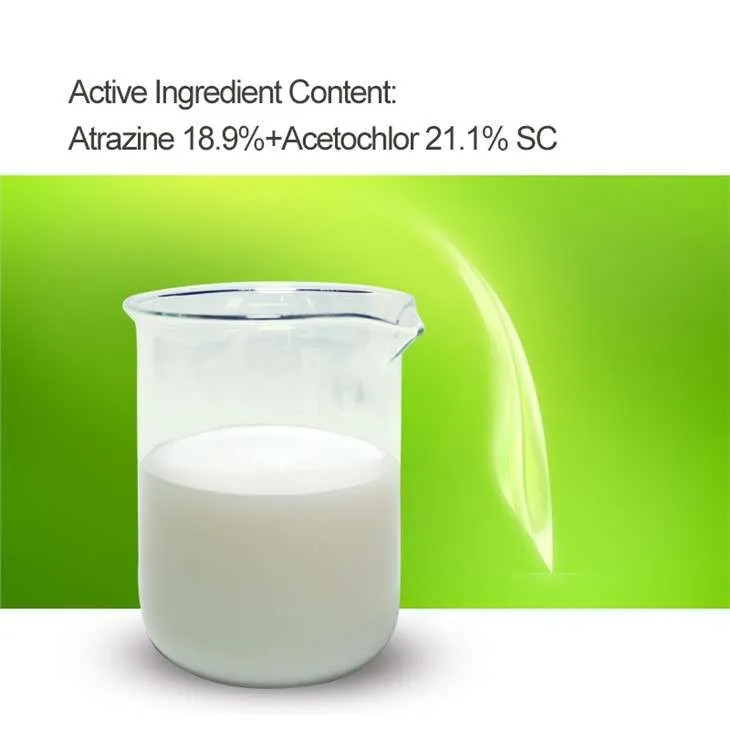
Atrazine is an odorless white powder and a selective triazine herbicide.
CAS No.: 1912-24-9
Molecular Formula: C8H14ClN5
Molecular Weight: 215.68
Melting Point |
175 °C |
Boiling Point |
200 °C |
Density |
1.187 |
Vapor Pressure |
0 Pa at 25 °C |
Refractive Index |
1.6110 (estimated) |
Flash Point |
11 °C |
Storage Temperature |
Keep in a dark place; inert atmosphere; room temperature |
Solubility |
DMSO: 83.33 mg/mL (386.36 mM) |
pKa |
pKa 1.64 (uncertain) |
Form |
Crystalline |
Appearance |
Crystals |
Water Solubility |
Slightly soluble: 0.007 g/100 mL |
Stability |
Stable; incompatible with strong oxidizing agents |
Risk and Safety Statements
|
Symbol (GHS) |
|
Signal Word |
Warning |
Hazard Codes |
Xn; N, N, Xn, T, F, Xi |
Hazard Class |
9 |
Packing Group |
III |
HS Code |
29336990 |


Atrazine is a colorless white powder with no noticeable odor. It is a selective triazine herbicide. It is used to stop the growth of broadleaf and grassy weeds associated with crops including sorghum, maize, sugarcane, lupins, pine, and eucalypt plantations, as well as triazine-tolerant canola.
According to US statistics for 2014, atrazine ranks as the second most widely used herbicide, second only to glyphosate. Atrazine acts by targeting the photosynthesis II system in weeds, blocking the photosynthesis process and causing weed death. It can be manufactured by treating cyanuric chloride with ethylamine and isopropyl amine. However, it has been shown to exhibit certain toxicity to humans and other animals by targeting the endocrine systems.
Uses
Atrazine is used as a selective herbicide to control broadleaf and grassy weeds in agriculture and in areas not used for crops. In agriculture, atrazine is applied to corn, sugarcane, and pineapple, as well as for orchards, sod, tree plantations, and rangeland. Due to its low solubility, atrazine is moderately persistent in the environment. It can be detected in the water table and in the upper soil layers in many areas (Huang and Frink, 1989). The Environmental Protection Agency (EPA) reported that atrazine was one of the two most commonly used agricultural herbicides in 2007 (EPA, 2011).