Diuron
Diuron
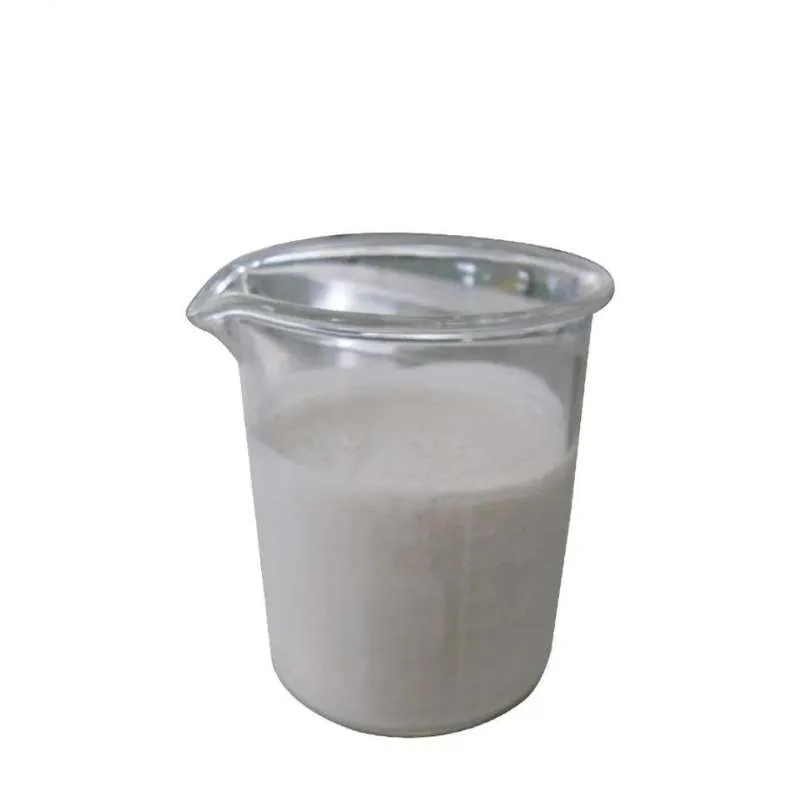
Diuron is a white crystalline solid and wettable powder used as a herbicide.
CAS No.: 330-54-1
Molecular Formula: C9H10Cl2N2O
Molecular Weight: 233.09
Melting point |
158–159°C |
Boiling point |
180–190°C |
Density |
1.48 |
Vapor pressure |
2 × 10⁻⁷ mmHg at 30°C (reference: Hawley, 1981) |
Refractive index |
1.5500 (typical/estimate) |
Flash point |
180–190°C |
Storage temperature |
2–8°C |
Solubility |
In acetone: 5.3 wt% at 27°C (reference: Meister, 1988) |
Physical form |
Solid |
pKa |
−1 to −2 (quoted; reference: Bailey and White, 1965) |
Color |
White, odorless crystalline solid |
Water solubility |
Slightly soluble; 0.0042 g/100 mL |
Exposure limits |
NIOSH REL: TWA 10 mg/m³ |
Stability |
Stable. Incompatible with strong acids, strong bases, and strong oxidizing agents. |
Symbol (GHS) |
|
Signal word |
Warning |
Hazard Codes |
Xn, N, F |
RIDADR |
UN 3077 9/PG 3 |
Hazard Class |
9 |
Packing Group |
III |
HS Code |
29242990 |


Diuron is a white crystalline solid/wettable powder and is used as a herbicide. It is registered for pre- and post-emergent herbicide treatment of both crop and non-crop areas, as a mildewcide and preservative in paints and stains, and as an algaecide. Diuron is a substituted urea herbicide used to control a wide range of annual and perennial broad-leaved and grassy weeds on both crop and non-crop sites.
Accordingly, diuron is widely used for vegetation and weed control in citrus orchards and alfalfa fields. Its herbicidal mode of action is the inhibition of photosynthesis. Diuron was first registered in 1967. Products containing diuron are intended for both occupational and residential uses. Occupational uses include agricultural food and non-food crops; ornamental trees, flowers, and shrubs; paints and coatings; ornamental fish ponds and catfish production; and rights-of-way and industrial sites. Residential uses include ponds, aquariums, and paints.
Diuron is a substituted urea herbicide used to control a wide variety of annual and perennial broadleaf and grassy weeds, as well as mosses. It is used in non-crop areas and many agricultural crops, such as fruit, cotton, sugar cane, alfalfa, and wheat. Diuron works by inhibiting photosynthesis. It may be supplied in formulations such as wettable powders and suspension concentrates.