Glufosinate-ammonium
Glufosinate-ammonium
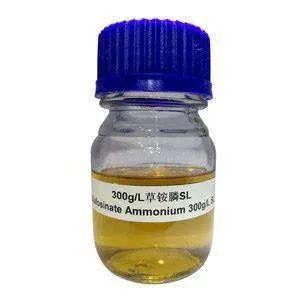
Glufosinate-ammonium
Glufosinate-ammonium (glufosinate) is a non-selective, foliar-applied organic phosphorus herbicide. First developed in 1979 by Hoechst, a chemical synthesis company based in the Federal Republic of Germany, it is produced for use as a broad-spectrum weed control agent.
Request a QuoteGlufosinate-ammonium (glufosinate) is a non-selective, foliar-applied organic phosphorus herbicide. First developed in 1979 by Hoechst, a chemical synthesis company based in the Federal Republic of Germany, it is produced for use as a broad-spectrum weed control agent.
CAS No.: 77182-82-2
Molecular Formula: C5H18N3O4P
Molecular Weight: 215.19
Melting point: 210 °C
Boiling point: 519 °C
Density: 1.4 g/cm³
Flash point: 100 °C
Storage temperature: Keep in a dark place, in an inert atmosphere, 2–8 °C
Solubility: Methanol (slightly), Water (soluble)
pKa: 9.15 (at 20 °C)
Physical form: Solid
Color: White to beige
Water solubility: Soluble in water
Symbol (GHS) |
|
Signal word |
Danger |
Hazard codes |
Xn, T |
Hazard class |
6.1(b) |
Packing group |
III |
HS code |
29319019 |


Glufosinate-ammonium, also known as glufosinate, is a non-selective foliar application of an organic phosphorus herbicide. It was first developed in 1979 by the German Hoechst (Hoechst) chemical synthesis company. The weed control mechanism of glufosinate-ammonium involves absorption through the leaf blade, where it acts via a suction effect. It can be translocated from the base of the leaf blade to the tips, with limited movement to other parts of the plant. It is considered harmless to non-emerged shoots and seeds. After application, glufosinate-ammonium disrupts plant metabolism within a short period. Glufosinate-ammonium ions accumulate in plants, causing the plant to die. It also strongly inhibits photosynthesis, and injured plants turn yellowish-white after the loss of green color. Within 2 to 5 days, plants turn yellow and die. After contact with soil, activity is lost; therefore, it is intended only for post-emergence spraying of stems and leaves.
Glufosinate-ammonium is mainly used for destructive weed control in orchards, vineyards, potato fields, nurseries, forests, pastures, ornamental shrubs, and non-crop arable land. It is used to prevent and control annual and perennial weeds, including foxtail, wild oats, crabgrass, barnyard grass, green foxtail, bluegrass, quackgrass, bermudagrass, bentgrass, reeds, fescue, and others. It is also used for prevention and control of broadleaf weeds such as quinoa, amaranth, smartweed, chestnut, black nightshade, chickweed, purslane, cleavers, sonchus, thistle, field bindweed, and dandelion, and it has some effect on sedges and ferns. When broadleaf weeds are in the early growing season and grass weeds are in the tillering period, a dosage of 0.7 to 1.2 kg/hectare is sprayed on the weed population. The weed control period is 4 to 6 weeks; re-application may be carried out if necessary to significantly extend the control validity period. For potato fields, it should be used pre-emergence. It can also be sprayed before harvest to kill and control ground stubble. For ferns, the dosage per hectare is 1.5 to 2 kg. It is usually used alone, and in some cases can be mixed with simazine, diuron, or methyl chloro phenoxyacetic acid, among others.