Acetamiprid
Acetamiprid
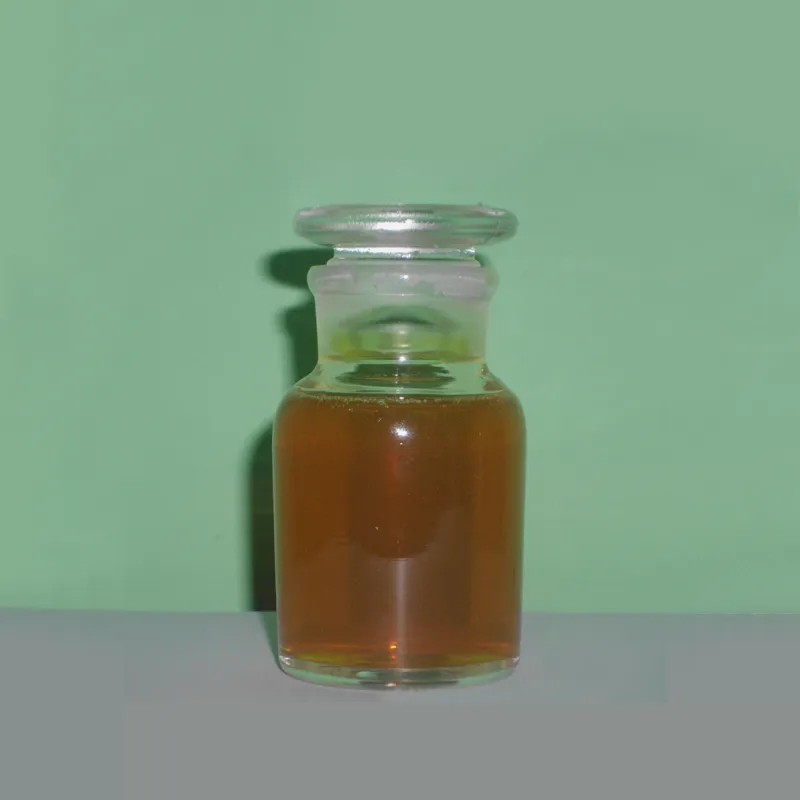
Acetamiprid
Acetamiprid (also known as Mospilan) is a pesticide from the nitro-methylene heterocyclic compound group. It is used to control insect pests in agricultural applications.
Request a QuoteAcetamiprid (also known as Mospilan) is a pesticide from the nitro-methylene heterocyclic compound group. It is used to control insect pests in agricultural applications.
Acetamiprid Properties
Melting point |
101–103 °C |
Boiling point |
352.4 ± 52.0 °C (Predicted) |
Density |
1.17 |
Vapor pressure |
<1 x 10⁻⁶ Pa (25 °C) |
Storage temperature |
Inert atmosphere, 2–8 °C |
Solubility |
DMSO: Soluble; Methanol: Soluble |
Form |
A solid |
Water solubility |
4200 mg L-1 (25 °C) |
pKa |
-0.44 ± 0.10 (Predicted) |
Color |
White to off-white |
SAFETY
Risk and Safety Statements
GHS symbol |
|
Signal word |
Danger |
Hazard codes |
|
Hazard class |
6.1(b) |
Packing group |
III |
HS code |
29333990 |

Acetamiprid Chemical Properties
The new pesticide
Acetamiprid, also known as mospilan, is a new type of pesticide. It is a nitro-methylene heterocyclic compound. It acts on the nicotinic acetylcholine receptors in the insect nervous system, disrupting nerve signal transmission, blocking neurological pathways, and causing the neurotransmitter acetylcholine to accumulate at the synapse. This ultimately leads to paralysis in insects and, eventually, death. Acetamiprid has both contact and stomach toxicity. It also features strong penetration, ready availability, and a long duration of action.
Acetamiprid can be used for the prevention and control of aphids, planthoppers, thrips, lepidopteran pests, and other pests on rice, vegetables, fruit, and tea bushes. At a concentration of 50 to 100 mg/L, acetamiprid can effectively control aphids, vegetables aphids, and peach borers, and it can kill eggs.
Physicochemical properties
The original acetamiprid is a white crystalline solid with a content of more than 99%. Its melting point is 101–103.3 °C, and its vapor pressure is less than 0.33 x 10⁻⁶ Pa (25 °C). Acetamiprid is slightly soluble in water, with water solubility of 4.2 g/L. It is also soluble in acetone, methanol, ethanol, dichloromethane, chloroform, acetonitrile, and similar solvents. It is stable in neutral or slightly acidic media and can be stored at room temperature for 2 years. It gradually hydrolyzes at pH 9 and 45 °C. It is stable in sunlight.
Our supply includes: