Flubendiamide
Flubendiamide
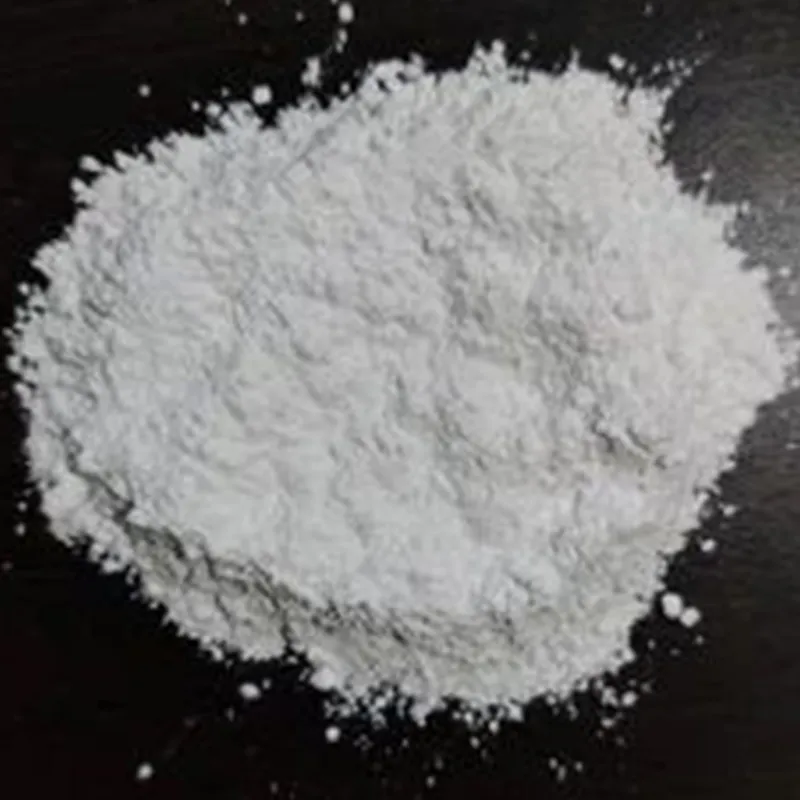
Flubendiamide
Flubendiamide is a novel insecticide from the phthalic acid diamides family, mainly used to control lepidopteran pests in a range of annual and perennial crops.
Request a QuoteFlubendiamide is a novel insecticide from the phthalic acid diamides family, mainly used to control lepidopteran pests in a range of annual and perennial crops.
CAS No.: 272451-65-7
Molecular Formula: C23H22F7IN2O4S
Molecular Weight: 682.39
Melting point |
218-221 °C |
Boiling point |
578.6 ± 50.0 °C (Predicted) |
Density |
1.615 ± 0.06 g/cm³ (Predicted) |
Storage temperature |
-20 °C Freezer |
Solubility |
DMSO (Slightly), Methanol (Slightly) |
pKa |
11.59 ± 0.70 (Predicted) |
Color |
White to Off-White |
GHS Symbol |
|
Signal word |
Warning |
Hazard statements |
H410 |
Precautionary statements |
P273-P391-P501 |
RIDADR |
UN 3077 9 / PGIII |
WGK Germany |
1 |

Flubendiamide is a novel insecticide belonging to the phthalic acid diamide family. It is mainly used to control lepidopteran pests in both annual and perennial crops. As a benzenedicarboxamide derivative, flubendiamide exhibits selective insecticidal activity against lepidopterous insects. Its specific modulatory effects on ryanodine binding in insect muscle microsomal membranes indicate that the ryanodine receptor (RyR) Ca(2+) release channel is a primary target of flubendiamide.
Flubendiamide is a new insecticide that has been found to provide excellent control of tomato lepidopterous pests. It is an organofluorine insecticide and functions as a ryanodine receptor modulator. It is functionally related to a phthalamide. Flubendiamide may be used as an analytical reference standard for determining target analytes in vegetables and fruits by high performance liquid chromatography with an ultraviolet detector (HPLC-UV) and by HPLC coupled with tandem mass spectrometry (MS/MS), respectively.
Flubendiamide is an insecticide that specifically targets immature lepidopteran pests. It represents a new class of insecticides: phthalamic acid diamides. Flubendiamide is classified as the first member of the new group 28 (ryanodine receptor modulator) within the IRAC (Insecticide Resistance Action Committee) mode of action classification scheme. In addition, flubendiamide shows an excellent biological and ecological profile. Therefore, flubendiamide is expected to be an effective tool for controlling lepidopteran insects as part of insect resistance management and integrated pest management programs, as suggested.