Imidacloprid
Imidacloprid
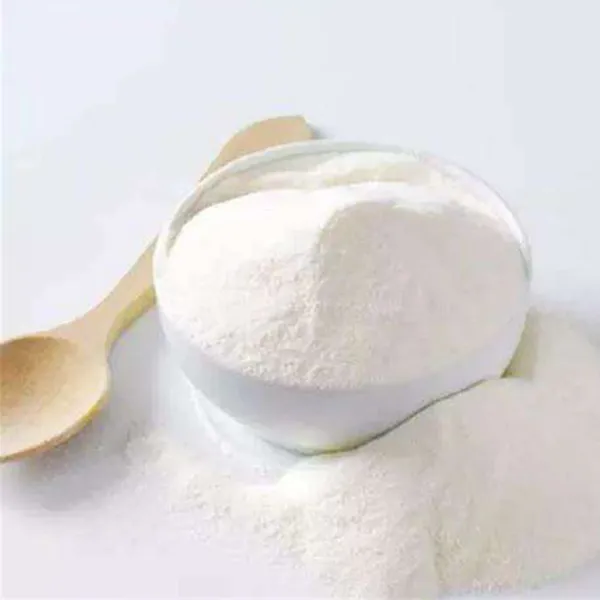
Imidacloprid
Imidacloprid is a neonicotinoid, a class of neuro-active insecticides modeled after nicotine. It is used for pest control, including seed treatment, insecticide sprays, termite control, and flea control, and works as a systemic insecticide.
Request a QuoteImidacloprid is a neonicotinoid, a class of neuro-active insecticides modeled after nicotine. It is used for pest control, including seed treatment, insecticide sprays, termite control, and flea control, and works as a systemic insecticide.
Imidacloprid Properties
| CAS | 138261-41-3 |
| Melting point | 144 °C |
| Boiling point | 93.5 °C (reference/typical value: rough estimate) |
| Density | 1.54 |
| Vapour pressure | 2 × 10⁻⁷ |
| Refractive index | 1.5790 (reference/typical value: estimate) |
| Flash point | 2 °C |
| Storage temperature | 0–6 °C |
| pKa | 7.16 ± 0.20 (predicted) |
| Form | Solid |
| Colour | White to off-white |
| Water solubility | 0.061 g/100 mL at 20 °C |
Safety
| Risk and Safety Statements | |
| Symbol (GHS) | GHS hazard GHS07, GHS09 |
| Signal word | Warning |
| Hazard statements | H302–H410 |
| Precautionary statements | P273–P301+P312+P330 |
| Hazard codes | N, Xn, F |
| Risk statements | 11–20/21/22–36–22–20/22 |
| Safety statements | 26–36–22–36/37–16–46–44 |
| RIDADR | UN 2588 |
| WGK Germany | 2 |
| RTECS | NJ0560000 |
| Hazard class | 6.1(b) |
| Packing group | III |
| HS code | 29333990 |
Background
Imidacloprid is a neonicotinoid, a class of neuro-active insecticides modeled after nicotine. It is marketed for pest control, seed treatment, insecticide spraying, termite control, flea control, and as a systemic insecticide.
How it works
Imidacloprid disrupts the nerve’s ability to transmit a normal signal, causing the nervous system to stop functioning as intended. Imidacloprid is significantly more toxic to insects and other invertebrates than to mammals and birds because it binds more effectively to the receptors in insect nerve cells.
Imidacloprid is a systemic insecticide. This means plants absorb it from the soil or through their leaves, and it is distributed throughout the plant’s stems, leaves, fruit, and flowers. Insects that chew or suck on treated plants ingest the imidacloprid as well. After ingestion, it damages their nervous system, and they eventually die.
Our supply includes: