Agro Based Industries what are the raw materials used in agro based industries Performance Analysis
Agro Based Industries what are the raw materials used in agro based industries Performance Analysis
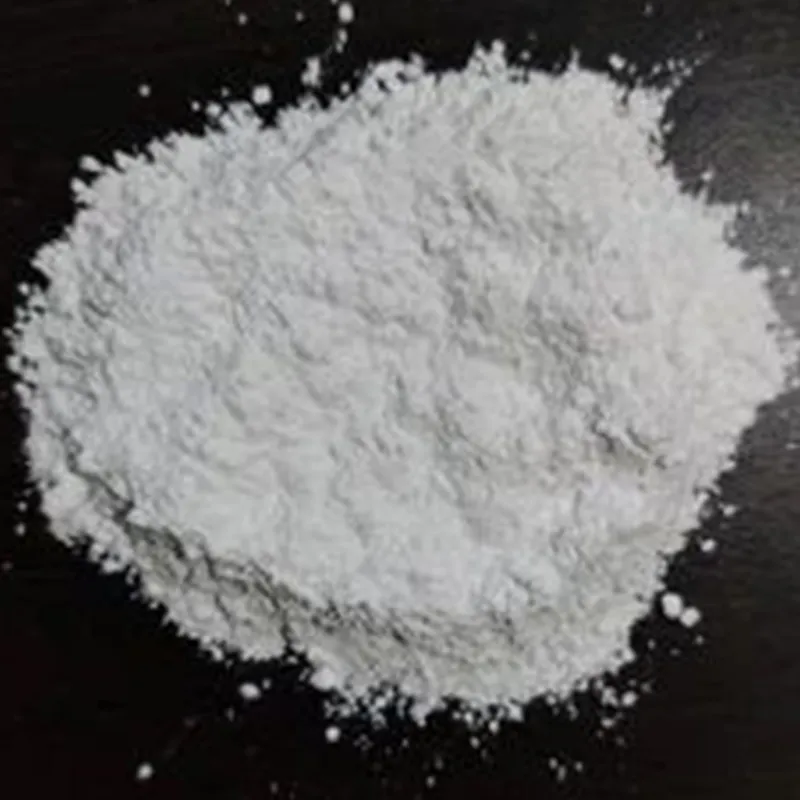
Agro Based Industries what are the raw materials used in agro based industries Performance Analysis
The efficiency of modern agriculture relies heavily on a sophisticated supply chain of chemical precursors and biological agents. From basic soil nutrients to highly targeted molecular insecticides, the inputs used in crop protection determine the stability of global food systems.
Identifying what are the raw materials used in agro based industries involves understanding the intersection of organic chemistry, material science, and plant physiology. These materials range from bulk minerals to complex organofluorine compounds designed for specific pest receptor modulation.
This analysis explores the categorization of these essential inputs, the technical requirements for their synthesis, and how advanced molecular engineering is shifting the industry toward more selective and ecologically sustainable solutions.
The Foundation of Agro-Industrial Inputs
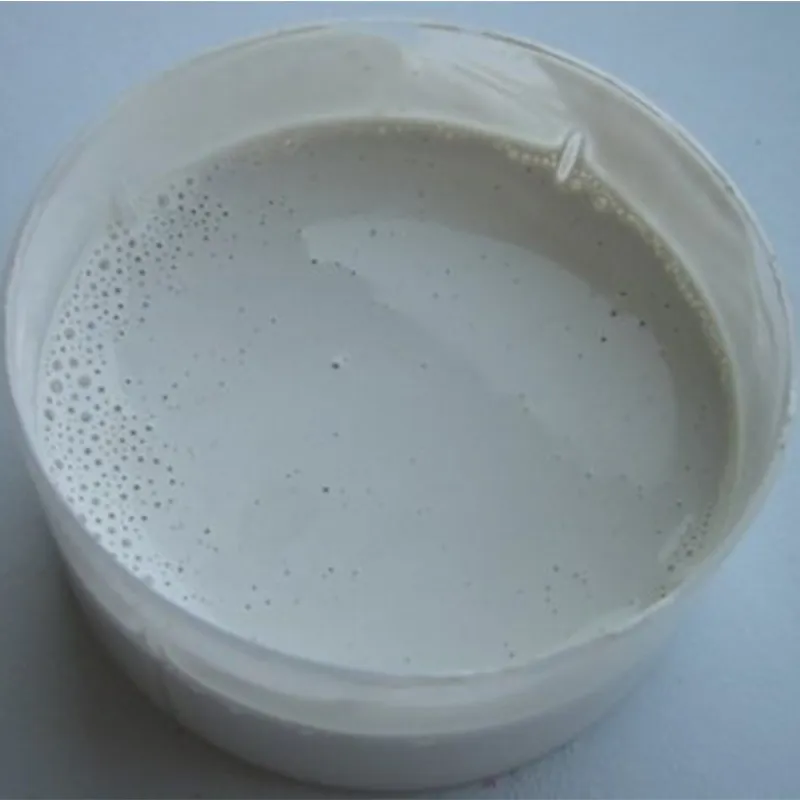
Agro-based industries utilize a tiered system of raw materials, beginning with bulk chemical feedstocks like ammonia, sulfur, and phosphorus. These primary elements are processed into intermediates—such as phthalic acid derivatives or organofluorine compounds—which serve as the building blocks for active ingredients.
The complexity of these materials increases as the industry moves from general fertilizers to specialized crop protection agents. For example, the synthesis of modern diamides requires precise chemical raw materials to ensure stability and target specificity.
Technical Architecture of Agrochemical Synthesis
The synthesis of active agrochemical ingredients is a process of molecular assembly. Raw materials are chosen based on their ability to form specific functional groups that can interact with biological receptors in pests. In the case of advanced insecticides, the introduction of fluorine atoms often enhances the lipophilicity and metabolic stability of the molecule, allowing it to penetrate insect cuticles more effectively.
Beyond the active ingredient, the raw material profile includes solvents, surfactants, and stabilizers. These auxiliary chemicals ensure that the final product—whether a soluble concentrate (SC) or a water-dispersible granule (WDG)—maintains its chemical integrity during storage and achieves uniform distribution when applied to the field.
Precision in the purity of these raw materials is critical. Impurities in the intermediate stages can lead to suboptimal efficacy or unwanted phytotoxicity, making the quality of chemical raw materials a primary determinant of the final product's performance and safety profile.
Selective Toxicity and Molecular Targets
Modern crop protection has evolved from broad-spectrum toxicity to target-specific modulation. This shift is evidenced by the development of Ryanodine Receptor (RyR) modulators, which target the calcium release channels in insect muscle membranes.
Selective insecticidal activity is achieved by utilizing raw materials that create molecules, such as Flubendiamide (CAS No. 272451-65-7), which specifically target immature lepidoptera pests while maintaining a favorable ecological profile for non-target organisms.
The use of benzenedicarboxamide derivatives represents this high-precision approach. By focusing on the ryanodine binding sites, these materials induce paralysis in the pest without affecting the general plant health, demonstrating the importance of molecular design in the selection of agro industrial raw materials.
Input Value and Application Efficiency
The value of a raw material is not measured by its cost, but by its impact on the final efficacy of the agrochemical. High-purity technical concentrates (TC) allow for lower application rates, reducing the chemical load on the environment while maximizing the control of target pests.
Evaluating the relative impact of different input categories allows manufacturers to optimize their formulation strategies, balancing the cost of raw materials against the stability and biological activity of the end product.
Figure 2. Relative Efficacy Index of Agro-Chemical Input Categories
Practical Integration in Crop Management
In a typical industrial setting, the transition from raw materials to field application requires rigorous quality control. A manufacturer evaluating new formulations must consider how raw materials like nano materials or specialized surfactants interact with the active ingredient to improve rain-fastness and leaf penetration.
For instance, the use of Flubendiamide in various concentrations—such as 10% SC or 20% WDG—demonstrates how the same active raw material can be adapted for different application methods (spraying vs. granular application) to suit the specific needs of perennial or annual crops.
The Shift Toward Bio-Rational Materials
The trajectory of agro-based industries is moving toward "bio-rational" inputs. This involves the integration of chemical raw materials with biological agents and plant nutrition enhancers to create a holistic crop health system. The goal is to move away from eradication toward integrated pest management (IPM).
Current directions include the use of pheromone-based precursors and the development of biodegradable surfactants that reduce the environmental persistence of chemical residues. This evolution requires a new class of raw materials that are compatible with both synthetic actives and biological organisms.
Future challenges lie in the synthesis of materials that are effective at ultra-low doses. The integration of nano-delivery systems represents a significant leap, allowing for the precise release of active ingredients, thereby reducing the total volume of raw materials required per hectare.
Material Selection and Performance Metrics
Choosing the right raw materials requires a trade-off between purity, cost, and biological activity. High-performance materials often come with more stringent storage requirements—for example, some advanced precursors must be kept in freezers at -20°C to prevent degradation of the active molecular structure.
A robust decision framework for material selection focuses on the stability of the molecular formula (such as C23H22F7IN2O4S) and its solubility in carriers like DMSO or Methanol. These physical properties determine the feasibility of the final formulation and its ease of application.
The following table provides a relative comparison of different material categories used in the production of crop protection products.
| Material Category | Primary Function | Technical Constraint | Relative Suitability |
|---|---|---|---|
| Bulk Inorganic Salts | Plant Nutrition | Solubility Limits | General Use |
| Phthalic Acid Diamides | Lepidoptera Control | Synthesis Complexity | High-Targeted |
| Organofluorine Precursors | Metabolic Stability | Handling Toxicity | Advanced Actives |
| Nano-Materials | Enhanced Delivery | Dispersion Stability | Precision Ag |
| Bio-Intermediates | Ecological Balance | Thermal Sensitivity | Sustainable Ag |
| Specialty Surfactants | Adhesion/Spread | Foaming Control | Formulation Aid |
Questions & Answers
Raw materials are generally split into three tiers: primary bulk chemicals (like phosphorus and nitrogen for fertilizers), chemical intermediates (such as phthalic acid derivatives used in synthesis), and specialized active ingredients (like organofluorine insecticides). Additionally, formulation materials including solvents, emulsifiers, and surfactants are essential to ensure the active ingredients can be effectively delivered to the plant or pest.
Purity is critical because impurities can either neutralize the active ingredient or create phytotoxic by-products that harm the crop. High-purity technical concentrates (TC) ensure that the molecular target, such as the ryanodine receptor in insects, is engaged without interference, resulting in higher biological activity at lower application rates and a reduced environmental footprint.
Fluorine atoms are often introduced into the molecular structure to increase the lipophilicity of the compound, which improves its ability to penetrate the waxy cuticle of insects. Moreover, the carbon-fluorine bond is exceptionally strong, which increases the metabolic stability of the active ingredient, allowing it to remain effective for longer periods within the target pest.
Technical Concentrate (TC) refers to the pure active ingredient produced from raw materials, typically with purity levels above 95%. Formulated products, such as SC (Suspension Concentrate) or WDG (Water Dispersible Granules), are the result of mixing the TC with other raw materials like surfactants and carriers to make the product safe and easy for farmers to apply in the field.
Nano materials act as advanced delivery vehicles. By encapsulating active ingredients in nano-scale carriers, industries can achieve controlled release, reducing the amount of raw material needed. This minimizes leaching into groundwater and ensures that the active compound is released only under specific triggers, such as pH changes or enzymatic activity in the pest's gut.
Yes, the industry is shifting toward bio-rational materials, including botanical extracts, microbial agents, and semiochemicals (like pheromones). While synthetic materials provide high potency and stability, bio-rational inputs are often more biodegradable and have lower toxicity to non-target species, making them ideal for Integrated Pest Management (IPM) programs.
Final Thoughts
The complexity of raw materials in agro-based industries reflects the ongoing challenge of balancing high crop yields with environmental stewardship. The transition from broad-spectrum chemicals to target-specific molecular modulators highlights the critical role of advanced organic synthesis and material science in sustainable agriculture.
As the industry moves toward nano-delivery and bio-rational inputs, the focus will remain on the purity and precision of the starting materials. Companies that can integrate high-efficiency active ingredients with ecologically sound formulation raw materials will define the future of global crop protection.