Epoxiconazole
Epoxiconazole
Epoxiconazole
Epoxiconazole (C17H13ClFN3O) is a triazole fungicide with CAS No. 106325-08-0.
Request a QuoteEpoxiconazole (C17H13ClFN3O) is a triazole fungicide with CAS No. 106325-08-0.
Density: 1.4 ± 0.1 g/cm³
Boiling Point: 463.1 ± 55.0 °C at 760 mmHg
Molecular Formula: C17H13ClFN3O
Molecular Weight: 329.756
Flash Point: 233.9 ± 31.5 °C
Exact Mass: 329.073120
Vapour Pressure: 0.0 ± 1.1 mmHg at 25 °C
Refractive Index: 1.659
Storage Condition: 0–6 °C
Hazard Codes: Xn: Harmful; N: Dangerous for the environment;
Risk Phrases: R40; R51/53; R62; R63
Safety Phrases: S36/37–S46–S61
RIDADR UN: 3077
HS Code: 2933199090
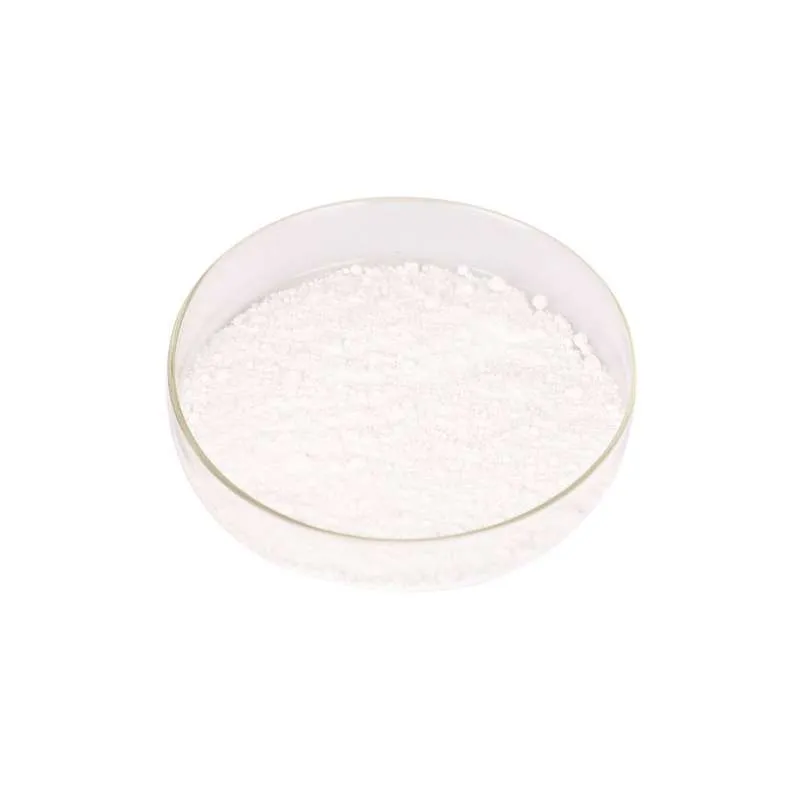
Epoxiconazole (chemical formula C17H13ClFN3O) has the CAS No. 106325-08-0. It is a fungicide belonging to the triazole class. It appears as a white crystalline solid with a faint, sweet odour. Its basic structure includes a chlorine atom, a fluorine atom, and a nitrogen-containing ring attached to a carbon atom. Epoxiconazole is slightly soluble in water. It is considered to be of low toxicity to humans and animals; however, it may cause skin and eye irritation. When handling this chemical, it is recommended to wear protective clothing and avoid direct contact with skin or eyes. Epoxiconazole is harmful if swallowed or inhaled. Store and handle this chemical in a well-ventilated area to prevent exposure to toxic fumes. The primary hazard is the potential for environmental contamination. Use epoxiconazole with caution to prevent release to the environment, as it can contaminate soil and water sources.
Applicable Fields
Agriculture: Epoxiconazole is widely used as a fungicide in agriculture to control fungal diseases in crops such as wheat, barley, and rice. Its mechanism of action involves inhibiting the biosynthesis of ergosterol, an essential component of fungal cell membranes. By disrupting membrane integrity, epoxiconazole effectively prevents the growth and reproduction of fungi, helping protect crops from disease.
Horticulture: Epoxiconazole is also used in horticulture to control fungal diseases in ornamental plants and trees. Its mechanism of action is similar to its use in agriculture: it inhibits ergosterol biosynthesis in fungal cells, leading to their death. This helps maintain the health and appearance of ornamental plants and trees.