Pyraclostrobin
Pyraclostrobin
Pyraclostrobin
Pyraclostrobin is a carbamate ester, specifically the methyl ester of [2-({[1-(4-chlorophenyl)-1H-pyrazol-3-yl]oxy}methyl)phenyl]methoxycarbamic acid]. It is described and identified by this chemical structure.
Request a QuotePyraclostrobin is a carbamate ester, specifically the methyl ester of [2-({[1-(4-chlorophenyl)-1H-pyrazol-3-yl]oxy}methyl)phenyl]methoxycarbamic acid]. It is described and identified by this chemical structure.
CAS No.: 175013-18-0
Synonyms: PYRACLOSTROBINE;
Molecular Formula:C19H18ClN3O4
Molecular Weight:387.82
Pyraclostrobin is a fungicide used on seed grasses and food crops. Agricultural fungicide.
Pyraclostrobin is a carbamate ester and the methyl ester of [2-({[1-(4-chlorophenyl)-1H-pyrazol-3-yl]oxy}methyl)phenyl]methoxycarbamic acid. It is used to control major plant pathogens, including Septoria tritici, Puccinia spp., and Pyrenophora teres. It acts as a mitochondrial cytochrome-bc1 complex inhibitor and is described as a xenobiotic, an environmental contaminant, and an antifungal agrochemical. It belongs to the pyrazoles class, as well as to carbamate esters and aromatic ethers; it is also listed among monochlorobenzenes. It is classified as a methoxycarbanilate strobilurin antifungal agent and a carbanilate fungicide.
Pyraclostrobin primed the tobacco cultivar Xanthinc for the faster accumulation of antimicrobial PR-1 defence proteins after infection with Tobacco mosaic virus and the wildfire pathogen Ps pv. tabaci. Pyraclostrobin-induced priming and enhanced PR-1 accumulation in response to pathogen attack were associated with improved disease resistance (Herms et al., 2002). Enhanced resistance to pathogenic viruses and bacteria in Pyraclostrobin-treated plants was also observed across various crops and ornamental plants in both greenhouse and field conditions (Koehle et al., 2003, 2006). In field applications, Pyraclostrobin-induced priming was also associated with improved resistance to abiotic stresses, including drought. In addition, Pyraclostrobin treatment increased crop yield under field conditions.
Across various crops, Pyraclostrobin and other strobilurin fungicides can induce a “greening effect.” This term refers to delayed leaf senescence and an increased grain-filling period, resulting in enhanced biomass and yield (Bartlett et al., 2002). Overall, the findings suggest that—along with direct antifungal activity—this chemistry may also protect plants by priming them for enhanced activation of defence responses induced by subsequent stress. This is consistent with an earlier report showing that another commercial fungicide, Oryzemate®, enhanced resistance to Tobacco mosaic virus in tobacco (Koganezawa et al., 1998) and to a bacterial and an oomycete pathogen in Arabidopsis (Yoshioka et al., 2001). Oryzemate® contains Probenazole as the active ingredient, which is metabolized to saccharin in treated plants (Koganezawa et al., 1998). The latter compound appears to elicit priming in Oryzemate®-treated plants (Siegrist et al., 1998).
Melting point: 63.7–65.2°
Boiling point: 501.1 ± 60.0 °C (Predicted)
Density: 1.27 ± 0.1 g/cm³ (Predicted)
Storage temperature: 0–6°C
Solubility (DMSO): 250 mg/mL (644.63 mM)
pKa: -0.23 ± 0.10 (Predicted)
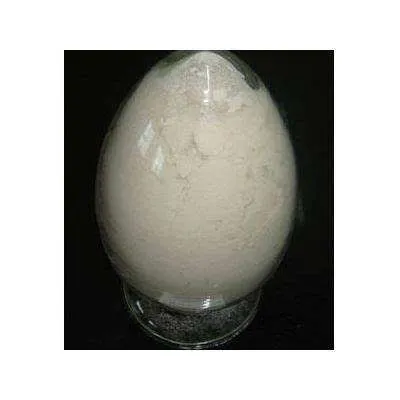
Form: Solid
Color: Off-white to light yellow